Laparoscopic and Open Inguinal Hernia Repair
PROCEDURE PERFORMED BY DR ALIMIA
Inguinal hernia repair is a surgical procedure performed to treat a hernia occurring in the groin region, where abdominal contents protrude through a weakened area in the inguinal canal.
There are two main surgical approaches:
1. Open Inguinal Hernia Repair:
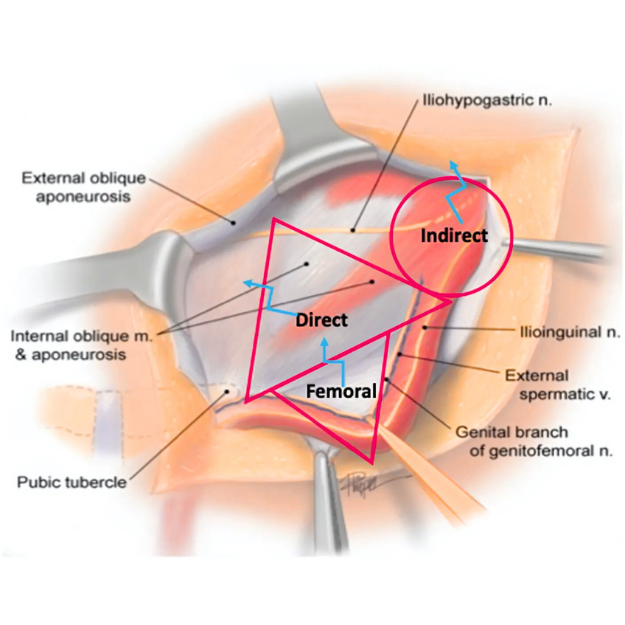
Also known as the Lichtenstein repair, this technique involves a single incision over the groin. The herniated tissue is repositioned, and the weakened area is reinforced with a synthetic mesh to prevent recurrence. It is typically performed under local, regional, or general anaesthesia and is suitable for most primary hernias.
2. Laparoscopic Inguinal Hernia Repair:
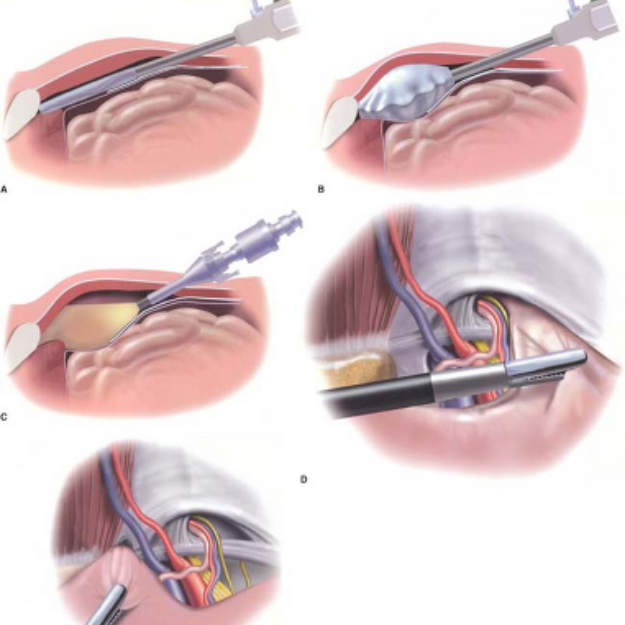
This is a minimally invasive approach performed under general anaesthesia. Small incisions are made, and a laparoscope (a thin, lighted camera) along with specialised instruments are inserted to repair the hernia from inside the abdominal wall. The defect is closed and a mesh is placed to reinforce the area. Common techniques include TAPP (Transabdominal Preperitoneal) and TEP (Totally Extraperitoneal).
Comparison and Considerations:
-
Laparoscopic repair typically offers quicker recovery, less postoperative pain, and a faster return to normal activities. It is especially advantageous for bilateral or recurrent hernias.
-
Open repair is straightforward, widely available, and effective, especially for large or complicated hernias.
The choice between techniques depends on patient factors, hernia type, surgeon expertise, and clinical indications.