Benign Breast disease operation
PROCEDURE PERFORMED BY DR ALIMIA
When someone has breast cancer, doctors need to check if the cancer has spread to the lymph nodes, which are small, bean-shaped glands that help fight infection. The sentinel lymph node is the first lymph node that cancer is most likely to spread to from the breast.
What Is Benign Breast Disease?
Benign breast conditions can include:
-
Fibroadenomas (firm, movable lumps)
-
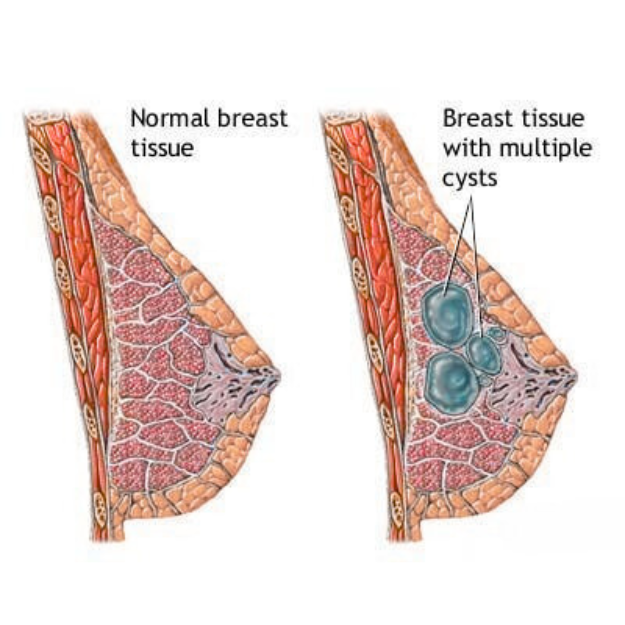
Cysts (fluid-filled sacs)
-
Phyllodes tumors
-
Areas of abnormal tissue growth (like atypical hyperplasia)
These are not cancer, but may cause discomfort, grow over time, or be difficult to tell apart from cancer on scans.
Why Might Surgery Be Needed?
-
To remove the lump if it’s growing, painful, or causing concern
-
To confirm it’s not cancer through lab testing
-
To improve cosmetic appearance if the lump changes the shape of the breast
What Happens During Surgery?
-
It’s usually a small operation, often done as day surgery (you go home the same day).
-
The surgeon will make a small cut over the lump, remove it, and then close the area with stitches.
-
The removed tissue is sent to the lab to confirm that it’s benign.
Will It Change the Shape of My Breast?
In most cases, especially with small lumps, the change is minimal. If the lump is large, there might be a slight difference in shape, but your surgeon will discuss this with you beforehand.
What Is Recovery Like?
-
You may have some bruising or tenderness for a few days.
-
Most patients recover quickly and return to normal activities within a week or two.
-
Follow-up appointments will be scheduled to check healing and discuss lab results.
Is There a Risk of the Lump Coming Back?
Some benign lumps can recur, but this depends on the type. Your doctor will explain your individual risk and whether future monitoring is needed.