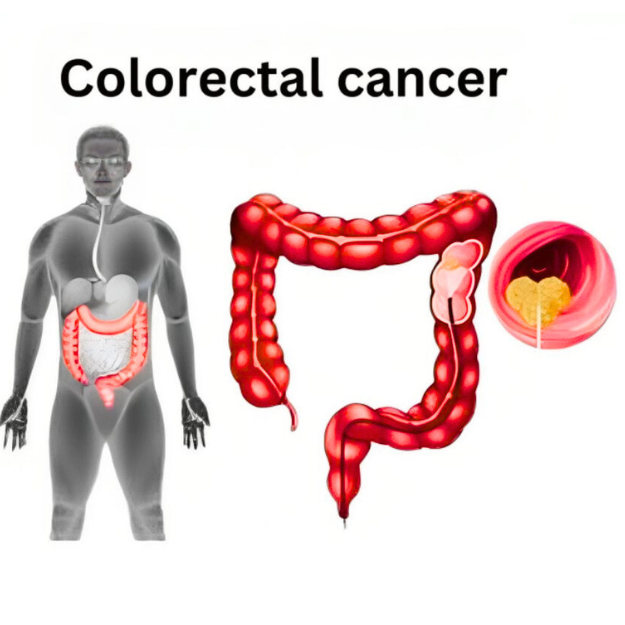
Colorectal cancer and Non-Cancer Surgery
PROCEDURE PERFORMED BY DR ALIMIA
Colorectal surgery addresses a wide range of conditions affecting the colon, rectum, and anus. These include both malignant (cancerous) and benign (non-cancerous) diseases, each requiring specific surgical approaches based on diagnosis, severity, and patient factors.
1. Colorectal Cancer Surgery
Professional Explanation:
Colorectal cancer surgery aims to remove malignant tumours along with surrounding lymph nodes and achieve oncological clearance. It is often the first-line treatment for localized disease and may be part of a multidisciplinary approach involving chemotherapy or radiotherapy.
Common Procedures:
-
Right Hemicolectomy
Resection of the ascending colon, typically for tumours located in the right colon. -
Left Hemicolectomy
Removal of the descending colon for left-sided malignancies. -
Sigmoid Colectomy
Targeted resection for cancers of the sigmoid colon. -
Anterior Resection (AR)
Performed for cancers of the upper and mid-rectum; preserves sphincter function. -
Low Anterior Resection (LAR)
For mid to low rectal cancers, aiming to maintain bowel continuity. -
Abdominoperineal Resection (APR)
Complete removal of the rectum and anus, typically for very low rectal cancers; requires a permanent colostomy. -
Total Mesorectal Excision (TME)
A gold-standard technique for rectal cancer ensuring complete removal of the rectum and mesorectum. -
Minimally Invasive Options
Many of the above can be performed laparoscopically or robotically, offering faster recovery and reduced morbidity.
2. Non-Cancer Colorectal Surgery
Professional Explanation:
Non-cancer colorectal surgeries are performed for a range of benign but often chronic or complicated conditions such as diverticulitis, inflammatory bowel disease (IBD), and large colorectal polyps. Surgical intervention is indicated when medical management fails or complications arise.
Common Procedures:
-
Segmental Colectomy
Removal of the diseased portion of the colon, often performed for diverticular disease or large benign polyps. -
Subtotal or Total Colectomy
Indicated for extensive disease, particularly in ulcerative colitis or familial polyposis syndromes. -
Proctocolectomy with Ileal Pouch-Anal Anastomosis (IPAA)
Often used in ulcerative colitis, this removes the colon and rectum and creates an internal pouch to maintain continence. -
Strictureplasty
Used in Crohn’s disease to widen narrowed segments of the bowel without removing them. -
Abscess or Fistula Surgery
Performed in cases of anorectal sepsis, fistulas, or perianal Crohn’s disease. -
Rectal Prolapse Repair
Surgical correction of full-thickness rectal prolapse via abdominal or perineal approach. -
Haemorrhoidectomy and Fistulectomy
For symptomatic haemorrhoids, anal fissures, or fistulas not responding to conservative management.
Surgical Approach:
Both cancer and non-cancer procedures may be performed using:
-
Open Surgery – traditional approach, sometimes preferred for complex or extensive disease.
-
Laparoscopic Surgery – minimally invasive, associated with less pain, quicker recovery.
-
Robotic-Assisted Surgery – enhances precision and control, particularly in confined pelvic spaces