Complicated Piles Surgery
PROCEDURE PERFORMED BY DR ALIMIA
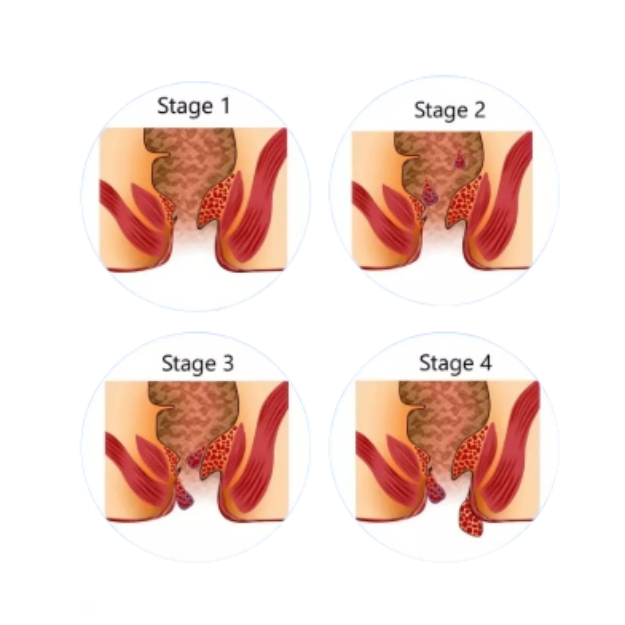
Piles, also known as haemorrhoids, are swollen blood vessels inside or around the anus and lower rectum. They can cause bleeding, pain, itching, and sometimes prolapse (where the piles bulge or hang out of the anus).
What Makes Piles “Complicated”?
Piles are considered complicated when they:
-
Are large and prolapsed (hanging outside the anus)
-
Cause heavy bleeding or blood clots (thrombosed piles)
-
Are painful and swollen
-
Have not improved with creams, tablets, or non-surgical treatments
-
Are recurrent (keep coming back)
-
Are linked with other conditions (e.g., anal fissures or fistulas)
Why Surgery is Needed
If piles are causing ongoing problems and haven’t responded to other treatments, surgery may be needed to:
-
Remove or shrink the piles
-
Stop bleeding and discomfort
-
Prevent infection or further complications
-
Improve your quality of life
Types of Surgery for Complicated Piles
Your surgeon will choose the best procedure based on the type and severity of your haemorrhoids. Common options include:
1. Haemorrhoidectomy (Surgical Removal)
-
This is the most effective treatment for large or severe piles.
-
The surgeon removes the swollen tissues.
-
Done under general or spinal anaesthesia.
-
Most suitable for Grade 3 or 4 piles (that protrude and don’t go back in).
2. Stapled Haemorrhoidopexy
-
The surgeon uses a special stapling device to lift and fix the piles back inside the rectum and cut off their blood supply.
-
Less painful than traditional surgery and has a quicker recovery.
-
Usually for internal piles.
3. THD (Transanal Haemorrhoidal Dearterialization)
-
A newer, minimally invasive method where the surgeon ties off blood vessels feeding the piles using a special device and ultrasound.
-
Less pain, quicker recovery, and no cutting of tissue.
What to Expect After Surgery
-
Some pain or discomfort after the surgery is normal, especially with traditional haemorrhoidectomy.
-
You may need pain medicine and stool softeners to avoid straining.
-
Bleeding during bowel movements for a few days is also normal.
-
Hygiene and sitz baths (sitting in warm water) can help with healing.
-
Recovery usually takes 1 to 2 weeks, but it can be longer for more complicated cases.
Will the Problem Come Back?
Surgery usually gives long-term relief, especially when combined with lifestyle changes such as:
-
A high-fiber diet
-
Drinking plenty of water
-
Avoiding straining during bowel movements
-
Regular exercise
However, in rare cases, piles can return if the underlying habits are not improved.
When to Call the Doctor
After surgery, contact your doctor if you notice:
-
Heavy bleeding
-
Severe pain not relieved by medication
-
Fever or signs of infection
-
Difficulty urinating
Final Thoughts
Surgery for complicated piles can offer lasting relief when other treatments haven’t worked. Your surgeon will explain the safest and most effective option for your condition and guide you through recovery.